
Heat-Not-Burn vs Cigarettes: Understanding the Real Difference
Heat-Not-Burn vs Traditional Cigarettes: A Clear Comparison
Over the past decade, the tobacco industry has undergone noticeable changes. Adult smokers today are no longer limited to only traditional cigarettes. New technologies have emerged, offering alternative ways to consume tobacco while preserving familiar rituals. One of the most widely discussed innovations is heat-not-burn technology.
Many people encounter this term when researching modern tobacco products, especially when browsing platforms such as Tobacconear, where both traditional and alternative tobacco formats are presented side by side. However, understanding what heat-not-burn actually means — and how it differs from classic cigarettes — requires a clear, unbiased explanation.
This article begins a detailed comparison between heat-not-burn products and traditional cigarettes. The goal is informational: to explain how each option works, where the differences lie, and why adult smokers around the world are showing interest in heat-not-burn systems.
How Traditional Cigarettes Work
Traditional cigarettes rely on combustion. When a cigarette is lit, tobacco burns at very high temperatures, usually exceeding 800°C. This burning process creates smoke that contains nicotine along with many other compounds formed during combustion.
Cigarettes come in a wide range of formats, blends, and strengths. On modern tobacco platforms, these products are typically organized within the cigarettes category, where users can find classic king-size cigarettes, slim formats, menthol options, and premium brands.
Key characteristics of traditional cigarettes include:
• Tobacco is burned using an open flame
• Smoke contains ash and visible residue
• Strong aroma that can linger on clothing and indoor surfaces
• Immediate nicotine delivery through inhaled smoke
For decades, this method has remained largely unchanged. While familiar to millions of adult smokers, combustion-based smoking is also associated with smoke by-products that some users find harsh over time.
What Is Heat-Not-Burn Technology?
Heat-not-burn technology was developed as an alternative approach to tobacco consumption. Instead of burning tobacco, these systems heat specially designed tobacco sticks to a controlled temperature below combustion levels. This process releases a nicotine-containing aerosol without producing smoke or ash.
Heat-not-burn devices are often associated with electronic systems such as IQOS. These devices are designed to closely mimic the ritual of smoking while changing the underlying process. Rather than lighting tobacco, the device heats it from within using a blade or induction system.
Tobacco sticks used in heat-not-burn devices are engineered specifically for this purpose. One example is HEETS tobacco sticks, which are created to work only with compatible devices and heating temperatures.
Core features of heat-not-burn systems include:
• No open flame
• No ash production
• Reduced smoke-like odor
• Controlled heating process
This approach represents a technical shift rather than a cosmetic change, which is why many adult smokers are interested in learning how it works.
Combustion vs Heating: The Fundamental Difference
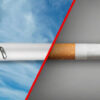
The most important difference between cigarettes and heat-not-burn products is temperature.
Health Perception and Public Discussion
One of the most common questions surrounding heat-not-burn products is how they are perceived in comparison to traditional cigarettes. It is important to clarify that public discussion around these products is often complex and sometimes misunderstood.
Traditional cigarettes have been studied for decades, and their combustion-based nature is well documented. Heat-not-burn products, on the other hand, are relatively new in comparison. Because they do not burn tobacco, they generate an aerosol rather than smoke, which has led to ongoing discussions among consumers, researchers, and regulators.
Many adult smokers researching heat-not-burn are not necessarily looking for “risk-free” products. Instead, they are trying to understand differences in exposure, smell, and everyday experience. This distinction is critical when evaluating why interest continues to grow.
User Experience: Daily Practical Differences
Beyond technical explanations, real-life use plays a major role in how people perceive cigarettes versus heat-not-burn devices.
Routine and Ritual
Smoking a cigarette is a simple and familiar ritual: light, inhale, extinguish. Heat-not-burn devices introduce a slightly different routine. Devices require charging, insertion of a tobacco stick, and a short heating period before use.
For some users, this structured process feels more controlled and intentional. For others, it may initially feel less spontaneous. Over time, many users adapt quickly and incorporate the device naturally into their daily habits.
Indoor and Social Situations
One practical difference frequently mentioned by users is how each option behaves in shared spaces. Cigarette smoke can be intrusive in enclosed environments. Heat-not-burn aerosol tends to be less noticeable and dissipates more quickly, which may influence social acceptance in certain settings.
This does not mean that heat-not-burn products are suitable everywhere, but it explains why some adult users consider them more adaptable to modern lifestyles.
Taste, Strength, and Sensory Control
Taste perception is highly subjective, yet it remains one of the most discussed aspects when comparing cigarettes and heat-not-burn products.
Cigarettes offer a strong, immediate flavor profile driven by combustion. Heat-not-burn products often deliver a more consistent and controlled taste, influenced by:
• Tobacco blend
• Heating temperature
• Stick design
• Puff duration
Many users report that heat-not-burn allows them to better understand the nuances of tobacco flavor rather than the intensity of smoke. This difference alone explains why some long-term smokers become curious about trying alternatives.
Nicotine Delivery and Satisfaction
Nicotine satisfaction plays a crucial role in whether adult smokers consider switching or experimenting with alternatives.
Traditional cigarettes deliver nicotine rapidly due to combustion. Heat-not-burn products are designed to provide nicotine in a controlled manner through heated aerosol. While the sensation may feel different at first, many users report comparable satisfaction once they adjust their usage patterns.
Understanding this adjustment period is important. New users often compare their first heat-not-burn experience directly to cigarettes, but over time, usage behavior naturally changes.
Why Comparisons Matter for New Users
For individuals new to heat-not-burn technology, comparisons help set realistic expectations. Without clear explanations, users may expect identical sensations, which can lead to confusion or disappointment.
Clear comparisons help readers understand:
• Why the experience feels different
• What aspects are intentionally changed
• How usage habits may evolve
This educational approach supports informed decision-making rather than impulse-driven experimentation.
Long-Term Trends in Tobacco Alternatives
The growing presence of heat-not-burn products reflects broader trends within the tobacco industry. Innovation is increasingly focused on technology, user control, and reduced combustion rather than traditional product formats.
These changes suggest that heat-not-burn is not simply a passing trend, but part of a larger shift in how tobacco products are developed and consumed by adults worldwide.
Transition to Next Section
In the final part of this article, we will summarize the key takeaways and discuss how adult smokers typically approach the transition process—from curiosity to informed choice—while also connecting this comparison to a broader understanding of modern tobacco alternatives.


About author




Leave a reply
You must be logged in to post a comment.